This article is for informational purposes only and does not replace medical advice. If you have symptoms, consult a doctor.
Headaches that get worse before an important deadline at work. A knotted stomach before a conversation you dread. A stiff neck and back after a week full of tension. A racing heart even though your test results come back normal. Many people know situations like these and start to wonder whether it is "just nerves." In this article we explain what psychosomatic symptoms are, how the link between stress and muscle tension and other physical symptoms can show up, why other causes have to be ruled out first, when to see a doctor and when to see a psychologist or psychotherapist, and what can generally help with managing stress day to day. This is an informational text - it does not replace a diagnosis or therapy.
What are psychosomatic symptoms?
The word "psychosomatic" combines two Greek words: psyche (soul, mind) and soma (body). We talk about psychosomatic symptoms when psychological factors - chronic stress, emotional tension, anxiety, difficult experiences - play a significant role in causing, intensifying or maintaining physical symptoms.
A few things are important:
- The symptoms are real. Pain or stomach problems are not "imaginary" just because stress may be behind them. The person experiencing them really feels them.
- Body and mind affect each other. Stress can intensify the symptoms of many illnesses, and in turn chronic physical complaints can lower mood and increase tension.
- It is not an "automatic" diagnosis. Before concluding that symptoms have a psychological basis, a doctor should rule out other causes.
Medical classifications describe several groups of disorders in which physical symptoms dominate and psychological factors play a major role. Diagnosing them is the job of a doctor or psychiatrist, and "self-diagnosing" based on articles on the internet is not a good idea.
Which symptoms can have a psychosomatic basis?
Symptoms can involve almost any system in the body. Among the most commonly described are:
| Area | Example symptoms |
|---|---|
| Muscles and musculoskeletal system | Tension and stiffness in the neck, shoulders, back; muscle aches; teeth clenching |
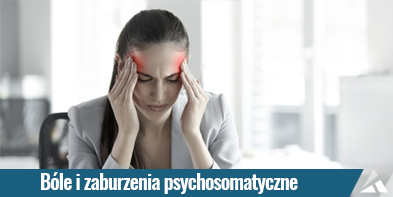
| Head | Headaches, a feeling of pressure or a "band" around the head, dizziness |
| Digestive system | Abdominal pain, nausea, diarrhea or constipation, a knotted stomach |
| Heart and breathing | Heart palpitations, shortness of breath or feeling "out of air," chest tightness |
| Skin | Worsening skin conditions, itching, excessive sweating |
| Sleep and energy | Trouble falling asleep, waking up at night, chronic fatigue |
Note: each of these symptoms can also have a cause that has nothing to do with stress - from heart disease and thyroid disease to infections and digestive disorders. That is why this table is not meant for self-diagnosis. Chest pain, shortness of breath and heart palpitations in particular require a doctor's assessment.
How does stress affect muscle tension?
When facing a threat, the body triggers a stress response: breathing and heart rate speed up, muscles tense, and the body prepares for action. This is a natural mechanism that should fade once the threat has passed. The problem arises when stress is chronic - lasting weeks or months, with the body getting no chance to "switch off."
Then many people notice:
- reflexively raising the shoulders and tensing the neck muscles, often without realizing it;
- clenching the teeth, also at night, with pain around the jaw and temples;
- shallow "chest" breathing with tension in the chest;
- neck and back stiffness at the end of the day;
- tension headaches.
Added to this are factors that often accompany stress: long hours sitting at a computer, little movement, lack of sleep. We write more about tension in the neck area and everyday ergonomics in our article on tight neck muscles.
Stress and headaches
Stress is one of the factors that can trigger or worsen headaches, both tension headaches and - in people with migraine - migraine attacks. That does not mean every headache is "from nerves," though. A new, unusual, very severe or sudden headache requires a doctor's assessment, and some situations call for urgent help (see below).
When should you see a doctor about your symptoms?
The first step with new or recurring physical complaints should be a visit to a doctor, usually your primary care physician. The doctor will take your history, examine you and, if needed, order tests to rule out other causes. It is worth telling them about your stress, mood and sleep as well - this is an important part of the picture.
Urgently - call 112 or 999 if:
- you have chest pain, especially radiating to the arm, jaw or back, with shortness of breath, sweating or weakness;
- you suddenly develop shortness of breath or bluish lips;
- you have a sudden, very severe headache, a headache with fever and a stiff neck, or with trouble speaking, vision problems or weakness in the limbs;
- you have fainted;
- you have severe abdominal pain, are vomiting blood or have black stools;
- you have suicidal thoughts or thoughts of harming yourself.
Even if similar symptoms turned out to be "nerves" in the past, do not assume that in advance when warning signs appear - it is better to get checked.
Soon - make an appointment if:
- the complaints last several weeks or keep coming back;
- they come with unintentional weight loss, fever or night sweats;
- the symptoms interfere with work, sleep or daily functioning;
- they appeared after starting a new medication or changing treatment.
When is it worth seeing a psychologist or psychotherapist?
Once a doctor has ruled out other causes, or when you yourself see a clear link between your symptoms and emotional tension, it is worth considering help from a psychologist, psychotherapist or psychiatrist. Signs that it is worth reaching out:
- symptoms get worse in stressful situations and persist despite attempts to rest;
- you feel constant tension, anxiety or irritability;
- your mood is low and you are losing interest in things you used to enjoy;
- you have had trouble sleeping for a long time;
- you avoid situations, places or people for fear of symptoms;
- you have seen doctors many times and tests do not explain your symptoms, which is itself a source of anxiety;
- you reach for alcohol, sedatives or other substances to cope.
| Specialist | What they do |
|---|---|
| Primary care physician | Initial assessment of symptoms, tests, ruling out other conditions, referrals |
| Psychologist | Psychological assessment, consultations, support, psychoeducation |
| Psychotherapist | Psychotherapy - longer, regular work on the sources of difficulties and ways of coping |
| Psychiatrist | A medical doctor: diagnosis of mental disorders and, if needed, medication |
In Poland you do not need a referral to see a psychiatrist. Support in a crisis is also available from 24/7 helplines, including the Support Center for Adults in Mental Health Crisis (Poland): 800 70 2222 and the adult helpline 116 123. Children and young people can call 116 111. If life is in danger, call 112.
How are psychosomatic symptoms treated?
The approach depends on the diagnosis and is chosen by a specialist. It most often includes:
- treatment of physical conditions, if present - stress does not rule out another illness;
- psychotherapy, which helps you understand the link between emotions and symptoms and learn other ways of responding to stress;
- in some cases medication prescribed by a psychiatrist or another doctor;
- learning relaxation techniques and looking after everyday habits.
What can you do every day to cope better with stress?
The tips below are general principles of mental hygiene. They do not replace treatment or therapy, but many people include them in their daily routine.
Relaxation techniques
- Calm diaphragmatic breathing - a few minutes of slow "belly" breathing with a longer exhale.
- Jacobson's progressive muscle relaxation - tensing and relaxing muscle groups one after another, which helps you notice the difference between tension and relaxation. Guided recordings are easy to find.
- Mindfulness, gentle yoga, meditation - if they suit you.
Movement
Regular physical activity - walking, cycling, swimming, dancing - is one of the generally recommended elements of a healthy lifestyle and, for many people, a way to "unwind" after the day. It does not have to be intense. What matters is that it is regular and enjoyable. If you have a chronic condition, it is worth discussing the type of exercise with your doctor.
Breaks and ergonomics
When working at a desk, short breaks every 30-60 minutes, changing position and a few shoulder rolls help. Every now and then, check whether you are clenching your teeth or raising your shoulders.
Sleep
Regular bedtimes and wake-up times, limiting screens and caffeine in the evening, a cool and dark bedroom. If sleep problems last for weeks, talk to your doctor.
Relationships and boundaries
Talking with loved ones, time for things you enjoy, the ability to say no and to plan your responsibilities. If work is the source of stress, it is worth looking for support in that area too.
What to avoid
Alcohol and other substances as a way to relax, taking sedatives on your own without consulting a doctor, and putting off a visit to a specialist indefinitely.
How to talk to your doctor about symptoms that may be related to stress?
Many people worry that the doctor will dismiss their symptoms or consider them "imaginary." A matter-of-fact conversation makes it easier for both sides to understand the situation. Before your visit, it is worth writing down:
- what symptoms you have, since when and how often;
- in which situations they get worse and when they ease - e.g. on weekends, on vacation, before important events;
- what your sleep, appetite, energy level and mood are like;
- what tests you have already had and what the results were;
- what medications and supplements you take.
Talk openly about stress, overload or difficult events. This is not "admitting weakness," but important information that helps choose tests and next steps. If something is unclear, ask for an explanation or a referral to a specialist.
Frequently asked questions
Is psychosomatic pain real?
Yes. Psychosomatic symptoms are genuinely felt, even if stress or emotions play a large role in causing them. It does not mean that someone is "making up" their complaints.
How can you tell if symptoms are psychosomatic?
You cannot do it on your own. First, a doctor should examine you and rule out other causes of the symptoms. Only then, if needed, is it worth consulting a psychologist or psychiatrist.
Can stress cause back and neck pain?
Stress is often associated with tension in the neck, shoulder and back muscles, and in many people it intensifies the perception of pain. Back pain can, however, have many other causes. If it lasts longer, gets worse or comes with neurological symptoms, consult a doctor.
Can stress cause migraines?
In people with migraine, stress is one of the most frequently mentioned factors that can trigger attacks. Diagnosing and treating migraine is the job of a doctor, most often a neurologist.
Which doctor should you see with psychosomatic symptoms?
Start with your primary care physician, who will assess your symptoms and order tests. Depending on the results, they may refer you to another specialist. If the link with emotional tension is clear, it is worth seeking help from a psychologist, psychotherapist or psychiatrist.
Do you need a referral to see a psychiatrist?
In Poland, you do not need a referral to see a psychiatrist under the public health insurance system (NFZ). For psychotherapy covered by the NFZ, the rules may vary depending on the facility - it is worth asking at the center you choose.
Does physical activity help with stress?
Regular movement is a generally recommended element of a healthy lifestyle, and many people treat it as a way to release tension. It does not, however, replace therapy or treatment if they are needed.
Where to look for help in a mental health crisis?
If life is in danger, call 112. In Poland, 24/7 support is offered by the Support Center for Adults in Mental Health Crisis (800 70 2222), the adult helpline 116 123, and for children and young people 116 111.
Useful resources
- Tight neck muscles - symptoms, causes, workstation ergonomics and gentle stretching.
- Dizziness - causes and when to see a doctor - warning signs and how the diagnostic process works.
- Lower back stretching - gentle exercises as part of everyday activity.