This article is for informational purposes only and does not replace medical advice. If you have symptoms, consult a doctor.
Do you feel dizzy when turning your head, after a few hours at your desk or in the morning when you get out of bed, and on top of that you have had a stiff neck for a long time? It is easy to conclude that the cervical spine is to blame. Sometimes it really is, but dizziness has many possible causes - from the inner ear, through the circulatory system and medications, to stress - and often has nothing to do with the spine. In this article we explain what cervicogenic dizziness is, what other causes need to be ruled out, which symptoms require urgent help, what diagnosis at the doctor's looks like and what you can do every day to take care of your neck and your safety. At the end you will find important information for people considering exercises in an inverted position.
What is dizziness and why is its cause so hard to pin down?
“Dizziness” is a word people use to describe very different sensations. Doctors usually start by clarifying which one you mean, because each points in a different direction:
- Spinning - the feeling that your surroundings are spinning around you or that you are spinning in place. It is often related to the inner ear (labyrinth) or to the balance centers in the brain.
- Feeling faint - “everything goes dark”, weakness, the feeling that you are about to pass out. This more often points to blood pressure, the heart, dehydration or blood sugar levels.
- Unsteadiness and an uncertain gait - the sense that you are losing your balance, “walking like on a ship”. It can have neurological, visual or inner-ear causes, but can also be related to medications.
- A feeling of emptiness or “fog” in the head - a hard-to-describe, vague sense of light-headedness. It can be related to fatigue, tension, anxiety and also to neck complaints.
The balance center uses information from the inner ear, the eyes and the deep-sensation (proprioceptive) receptors in muscles and joints - including in the neck area - all at the same time. If one of these sources sends “conflicting” data, the brain may perceive it as dizziness. That is why there is one symptom but many possible causes. Finding out where dizziness comes from is a task for a doctor, not for an internet search engine.
Can the cervical spine cause dizziness?
Yes, although less often than is commonly believed. This is called cervicogenic dizziness (dizziness of cervical origin). It is typically described as a feeling of unsteadiness or uncertainty rather than violent spinning. It appears together with neck pain or stiffness, gets worse with certain head movements or after holding one position for a long time, e.g. at the computer, and usually changes depending on the condition of the neck.
The mechanism is not fully understood. The most commonly cited explanation is disrupted sensory information flowing from the muscles and joints of the cervical spine to the balance center. Two things are important here:
- It is a diagnosis of exclusion. There is no single test that confirms it. A doctor makes it only after ruling out other, more common and sometimes more dangerous causes of dizziness.
- Changes on an image do not determine the cause. Degenerative changes in the cervical spine show up on imaging in many adults, including people without any symptoms. Their mere description in a report does not mean that they are causing the dizziness.
A separate, rare but serious situation is damage to the arteries running in the neck area (e.g. vertebral artery dissection), which can cause neck pain, dizziness and neurological symptoms. That is exactly why dizziness combined with sudden, unusual neck pain must not be ignored - more on this in the section on red flags.
What other causes of dizziness are unrelated to the spine?
In medical practice, other causes are responsible for dizziness much more often than the cervical spine. The table below is a general overview - it is not meant for self-diagnosis, it only shows how wide the range of possibilities is.
| Possible cause | Typical features (in general) | Who usually deals with it |
|---|---|---|
| Benign paroxysmal positional vertigo (BPPV) | Short, intense spinning when changing head position, e.g. when turning over in bed, lying down or looking up | Primary care doctor, ENT specialist, neurologist |
| Vestibular neuritis, labyrinthitis | Sudden, intense spinning lasting many hours or days, nausea, sometimes after an infection; with labyrinthitis also hearing loss | ENT specialist, neurologist |
| Ménière's disease | Attacks of spinning with ringing in the ear, a feeling of fullness in the ear and fluctuating hearing | ENT specialist, otoneurologist |
| Vestibular migraine | Episodes of dizziness in people with migraine, sometimes without a headache, with sensitivity to light or motion | Neurologist |
| Drops in blood pressure, including on standing up | Dizziness and “everything going dark” after standing up quickly, in the heat, after prolonged standing | Primary care doctor, cardiologist |
| Heart rhythm disturbances and other heart conditions | Feeling faint, palpitations, shortness of breath, sometimes loss of consciousness | Primary care doctor, cardiologist |
| Medications and their interactions | Dizziness after starting a new medication or changing a dose, e.g. blood pressure medications, sedatives, sleeping pills | Your treating doctor |
| Dehydration, anemia, low blood sugar | Weakness, fatigue, dizziness that gets worse with exertion or after a long break from eating | Primary care doctor |
| Tension, stress, anxiety disorders, chronic functional dizziness | A chronic feeling of unsteadiness that gets worse in crowds, in stores, with moving images on a screen | Primary care doctor, neurologist, psychiatrist or psychologist |
| Stroke or transient ischemic attack (TIA) | Sudden dizziness with neurological symptoms: speech or vision problems, weakness or numbness of one side of the body | Urgently: emergency services (112 or 999 in Poland) |
| Cervical spine complaints | Unsteadiness related to neck pain or stiffness and head movements, diagnosed after ruling out other causes | Primary care doctor, neurologist, orthopedist; then often a physical therapist |
Many people have two problems at once, e.g. a sore neck and benign positional vertigo. A sore neck does not have to be the cause of dizziness, even if both symptoms appeared around the same time. That is another reason not to assume up front that “it must be the spine”.
When does dizziness need urgent help?
Most episodes of dizziness are not dangerous, but some symptoms may indicate a life-threatening condition, e.g. a stroke. In that case, time matters. Call 112 or 999 if dizziness comes with any of the following symptoms:
- sudden weakness, numbness or drooping of one side of the face, an arm or a leg;
- speech problems (slurred speech, difficulty finding words, not understanding what someone is saying);
- double vision, sudden loss of vision or part of the visual field;
- a sudden, very severe headache (“the worst of my life”) or sudden, unusual pain in the neck;
- inability to stand or walk, clear lack of coordination;
- loss of consciousness, confusion, unusual drowsiness;
- chest pain, shortness of breath, strong palpitations;
- dizziness after a head or neck injury, e.g. after a fall or a traffic accident;
- sudden hearing loss in one ear.
Book a doctor's appointment as soon as possible if dizziness appears for the first time and does not go away, keeps coming back, gets worse, comes with vomiting, ringing in the ear, hearing loss or fever, or appeared after starting a new medication. It is also worth seeing a doctor when dizziness makes work or driving difficult, or makes you afraid to leave the house.
How does a doctor diagnose dizziness?
The first step is usually a visit to your primary care doctor. They decide whether observation is enough or whether additional tests and a specialist consultation are needed. The diagnostic process can vary, but most often includes several stages.
Medical history - the most important part of the visit
An accurate description of your symptoms often tells the doctor more than tests do. Before the visit, it is worth writing down:
- what the dizziness feels like (spinning, feeling faint, unsteadiness, “fog” in the head);
- when it started, how long it lasts (seconds, minutes, hours, days) and how often it comes back;
- what triggers or worsens it: changing position, standing up, turning your head, computer work, stress, exertion;
- whether it comes with neck pain, headache, ringing in the ears, hearing loss, nausea, palpitations;
- what medications and supplements you take, and whether anything has changed recently;
- whether you have recently had a head or neck injury, an infection or a period of high stress.
Physical examination
The doctor usually measures blood pressure and pulse, sometimes lying down and after standing up, listens to the heart, assesses eye movements, balance, gait and basic reflexes. They may perform simple positional tests, e.g. the Dix-Hallpike test, which helps assess whether dizziness may be related to the inner ear. They will also assess the mobility and tenderness of the cervical spine and the tension of the neck muscles.
Additional tests - only when needed
Depending on the symptoms, the doctor may order blood tests (complete blood count, glucose, electrolytes), an ECG or longer heart monitoring, a hearing test, inner-ear function tests, an ultrasound of the neck vessels and, in selected cases, a CT scan or MRI. Imaging of the cervical spine is not routine for every case of dizziness - as we wrote above, degenerative changes are visible in many people and have to be interpreted together with the symptoms.
Specialist consultations
Depending on the suspected cause, you may be referred to an ENT specialist or otoneurologist, a neurologist, a cardiologist or an orthopedist. If the doctor considers that the dizziness may be related to the cervical spine or the inner ear, they may recommend a consultation with a physical therapist, who will tailor the approach to your condition. The appropriate treatment is decided by a doctor once a diagnosis has been made.
What can you do every day if you are prone to dizziness and have a stiff neck?
The tips below are general everyday habits. They do not replace diagnosis or a doctor's recommendations, but they help you take care of your safety and the comfort of your neck.
Safety first
- Get up slowly. In the morning, first sit on the edge of the bed, wait a moment and only then stand up. Do the same after lying or sitting for a long time.
- Sit down when you feel dizzy. During an episode of dizziness, sit or lie down in a safe place and wait for the symptoms to pass.
- Take care of your home. Good lighting at night, no loose rugs or cables on the floor, handrails where needed - these are simple ways to reduce the risk of falling.
- Do not drive or work at heights until the dizziness has been explained and a doctor has judged that it is safe.
- Do not change your medications on your own. If you suspect the dizziness started after a new medication, talk to your doctor about it.
Ergonomics when working at a computer
Long hours with your head pushed toward the screen or bent over your phone are a common reason for neck stiffness and discomfort. A few rules that are easy to introduce:
- top edge of the monitor roughly at eye level, screen at arm's length;
- with a laptop - a laptop stand plus a separate keyboard and mouse;
- a chair set so that your feet rest flat on the floor and your forearms lie comfortably on the desk or armrests;
- phone held closer to eye level instead of bending your head down;
- a break every 30-60 minutes: stand up, walk around, change position;
- for long phone calls - headphones instead of holding the phone with your shoulder.
Sleep, hydration and a regular daily rhythm
Your pillow should keep your head roughly in line with the rest of your spine - one that is too high or too flat forces your neck to bend all night. It is also worth remembering regular meals, enough fluids (especially in hot weather and during exercise) and limiting alcohol, which on its own can worsen dizziness and balance problems.
Movement and gentle activity
Regular, moderate physical activity, e.g. walking, is beneficial for overall fitness for most people. With dizziness, however, the rule is clear: before you start new exercises, find out the cause of the dizziness. If the doctor sees no contraindications, gentle neck movements can be part of your daily activity, e.g.:
- Slow head turns - sitting upright, slowly turn your head to the right, return to the center, then to the left. Only within a range where you feel no pain or dizziness.
- Chin tucks - while seated, gently move your chin backward (as if making a “double chin”), hold for a few seconds and relax.
- Shoulder rolls - slowly raise your shoulders, pull them back and lower them, several times.
Do each of these exercises seated, slowly and without pain. If dizziness, pain, numbness or tingling appear during the exercise, stop and consult a doctor or physical therapist. If you have symptoms, consult a specialist first - they are best placed to judge which movements are right for you. We write more about the neck itself in our article on tight neck muscles.
Can you use an inversion table or gravity boots if you have dizziness?
Some of our customers ask this question, so we answer it directly: dizziness is a situation in which you must consult a doctor before any inversion. In a position with your head lower than your feet, blood pressure in the head increases, and the balance system receives completely different information about body position than usual.
Teeter FitSpine inversion tables are medical devices for home spinal traction while stretching the paraspinal muscles and soft tissues. Consult a doctor before use - inversion has contraindications. The manufacturer's instructions advise against using the table without a doctor's approval and list among the contraindications, among others:
- neurological or other conditions causing unexplained tingling, weakness, dizziness, disorientation or fatigue;
- eye, ear or nose conditions or balance disorders, such as glaucoma, a history of retinal detachment, chronic sinusitis, middle or inner ear disease, motion sickness or vertigo;
- brain conditions, e.g. a previous stroke or increased risk of stroke, severe headaches;
- heart and circulatory conditions, e.g. high blood pressure, use of anticoagulants;
- bone or spinal cord injuries, osteoporosis, as well as pregnancy, hernias and other conditions listed in the instructions.
The instructions also say not to continue using the device if pain or dizziness appears during inversion - in that case, return to the upright position immediately. You will always find the full list of contraindications and warnings in the manual supplied with the table, and we discuss it in detail in our article on who an inversion table is for and its contraindications.
This is a medical device. Use it in accordance with the instructions for use or the label.
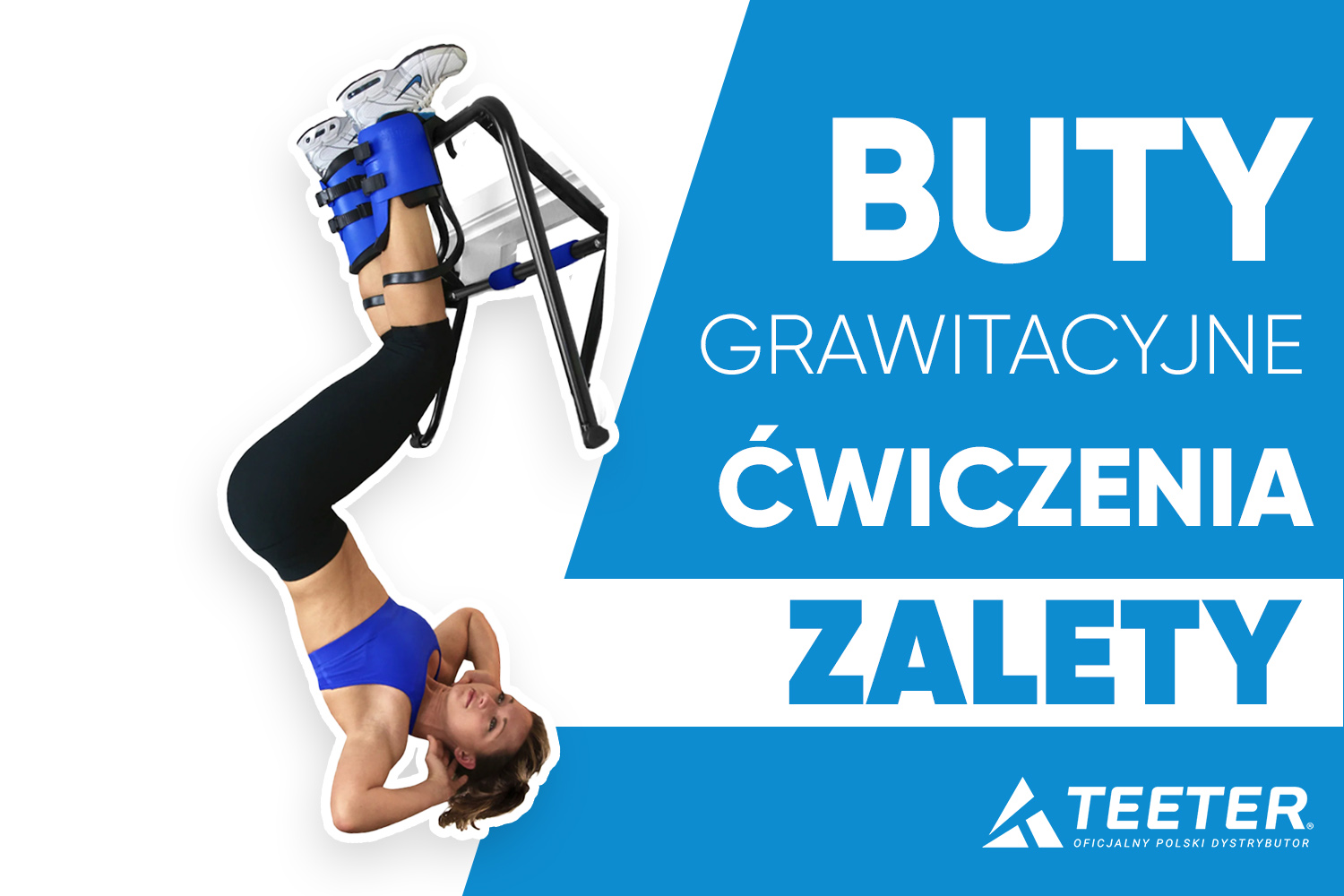
The same caution applies to gravity boots - hanging upside down from a bar is also an inverted position, so with dizziness it also requires a prior conversation with a doctor. If you have questions about how to use the table itself, we describe it in our guide how to use an inversion table.
Frequently asked questions
Does cervical spine degeneration always cause dizziness?
No. Degenerative changes in the cervical spine show up on imaging in many adults, including people who have never had dizziness. A test result alone does not determine the cause of symptoms - the doctor assesses it together with your history and examination.
How can you tell dizziness from the spine apart from dizziness from the inner ear?
It cannot be done reliably on your own. Cervicogenic dizziness is usually described as unsteadiness related to neck pain, while inner-ear dizziness is more often described as spinning, sometimes with ringing in the ear or hearing loss. However, symptoms often overlap, so the diagnosis should be made by a doctor.
Which doctor should I see for dizziness?
Most often, your primary care doctor first. Depending on the symptoms, they will refer you further, e.g. to an ENT specialist, neurologist or cardiologist. With sudden dizziness accompanied by neurological symptoms, chest pain or after a head injury, do not wait for an appointment - call 112 or 999.
Do I need a neck MRI for dizziness?
Not always. Imaging tests are decided by a doctor based on your history and examination. An MRI or CT scan is ordered in selected situations, e.g. when brain or vascular disease or compression of nerve structures is suspected.
Can stress cause dizziness?
Yes, emotional tension and anxiety disorders can trigger or worsen a feeling of unsteadiness and “fog” in the head. Stress also contributes to neck muscle tension. However, before stress is considered the cause, a doctor should rule out other possibilities.
Can I exercise when I feel dizzy?
Do not exercise during an episode of dizziness - sit or lie down in a safe place. If dizziness keeps coming back, first establish its cause with a doctor. Neck or balance exercises are best started only after a consultation, always slowly and without pain.
Can I use an inversion table if I have dizziness?
Not without a doctor's approval. The Teeter manual lists dizziness, balance disorders and middle and inner ear diseases among the contraindications to inversion. It also recommends returning to the upright position immediately if dizziness appears during a session.
Is dizziness when standing up dangerous?
A brief “blackout” after standing up quickly happens to many people, e.g. in hot weather or when dehydrated. However, if it happens often, comes with fainting or palpitations, or appeared after a new medication, consult a doctor - your blood pressure and heart function may need to be checked.
Useful resources
- Inversion contraindications - a full overview of the warnings from the manual that are worth knowing before buying a table.
- How to use an inversion table - settings, first sessions and safety rules according to the manufacturer's instructions.
- Tight neck muscles - symptoms, causes and everyday ergonomics.